"o estado é notícia" !

COP30: BELÉM CONSOLIDATES ITSELF AS A HUB FOR CLIMATE INNOVATION
International leader highlights the strategic role of the Amazon and announces initiatives connecting Brazil to Silicon Valley
Marcello D'Victor
11/21/20253 min read
Por Marcello D’Victor
Gazeta do Amapá — Edição Especial COP30
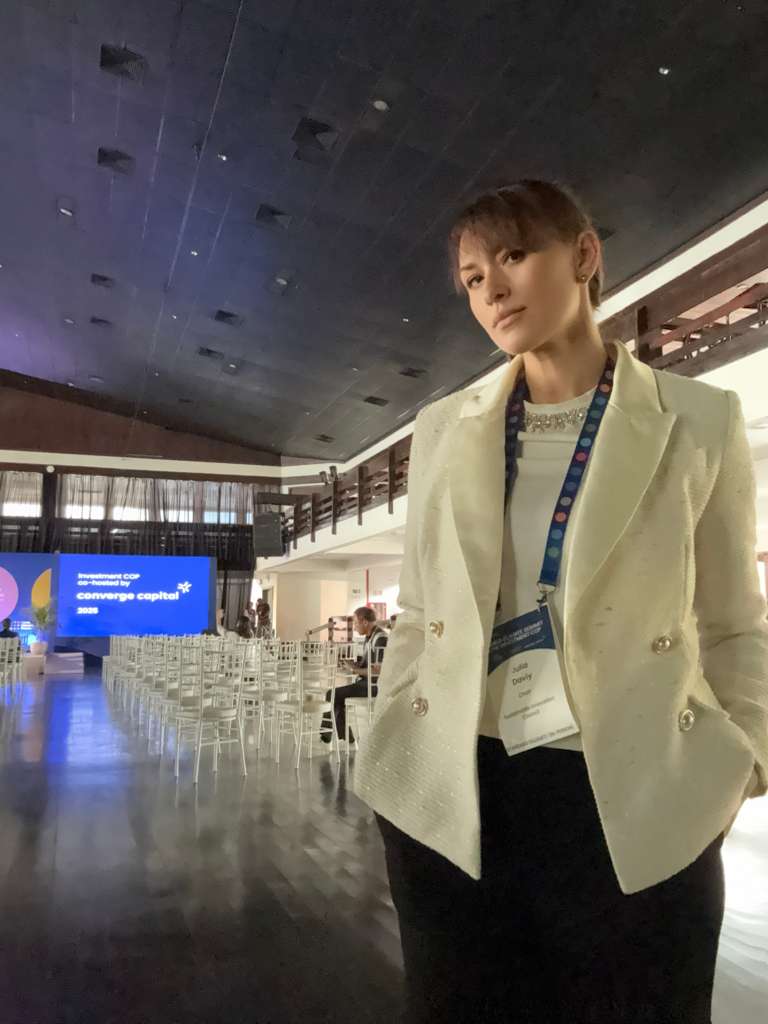
Belém (PA) — At the first United Nations Climate Change Conference held in the Amazon, the founder and president of the Sustainable Innovation Council (SICouncil), Julia Daviy, stated that the region should play a central role in the global innovation and climate transition agenda. Known for her work in sustainability, technology, and entrepreneurship, she was one of the most listened-to voices during the event.
“Holding COP30 in the Amazon is more than symbolic. It’s a sign that climate negotiations need to take place in the territories where the environmental and social impacts are most direct,” said Daviy. “The forest is not a backdrop, but part of the planet's environmental infrastructure.”
Global Council with Latin American Participation
Based in San Francisco (USA), the SICOuncil was created with the goal of coordinating innovation actions focused on sustainability. Among its co-founders is the Peruvian Nilton Becerra, a specialist in strategic minerals and the circular economy. He met Daviy during studies at the University of California, Berkeley.
“The challenge is not only to develop clean technologies, but solutions compatible with ecosystems and the communities that will be directly affected,” stated Daviy.
The Council's work in Brazil is represented by Hamilton Ribeiro, responsible for establishing relationships with public institutions, socio-environmental impact initiatives, and agents in the innovation chain.
Event planned for 2026 in Silicon Valley
During COP30, Daviy announced the Imagine Next — Global Climate Tech Capital & Innovation Summit, scheduled for April 21-23, 2026, in San Francisco, Berkeley, and Palo Alto, California.
The event should The event will bring together researchers, investors, representatives of traditional peoples, policymakers, and business leaders focused on climate technologies.
In parallel, the SICOuncil will launch the Imagine Next Innovation Challenge, an international competition to select projects focused on climate mitigation and adaptation. Initiatives from Brazil, Peru, Colombia, and Amazonian communities will be among the priorities.
“The Global South needs to actively participate in the next phase of climate solutions,” said Daviy.
Book with innovation proposals
Daviy is preparing the book “Imagine Next,” which brings together 365 innovation concepts developed between 2023 and 2025. Themes include energy, materials, water, biodiversity, food, and community development. Parts of the content are expected to be integrated into the discussions of the 2026 event.
Hospitality and international relations
In addition to the formal agendas, Daviy highlighted the welcoming nature of Belém's residents as a relevant factor in building collaborative networks.
According to her, informal conversations involving typical foods, such as... Acai and tapioca ended up generating contacts and cooperation proposals between participants from different countries.
The Amazon as a strategic center
The COP30 organization adopted sustainable measures, such as reducing printed material, expanding selective waste collection, and encouraging less polluting energy sources. For Daviy, these are relevant initiatives, but still insufficient in the face of global challenges.
“Sustainability cannot be treated as a checklist, but as a permanent practice,” she stated.
She argues that policies for biodiversity protection, support for indigenous communities, and forest restoration should form the basis of future actions.
“The Amazon will have a decisive weight in the success or failure of global climate strategies,” she concluded.
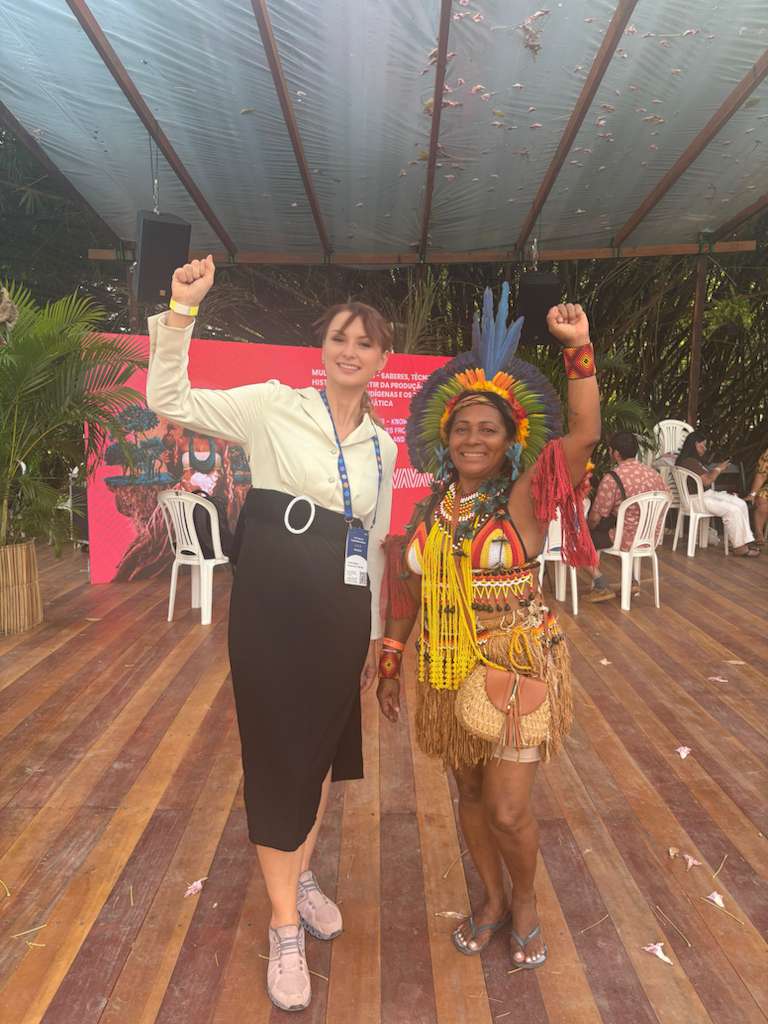
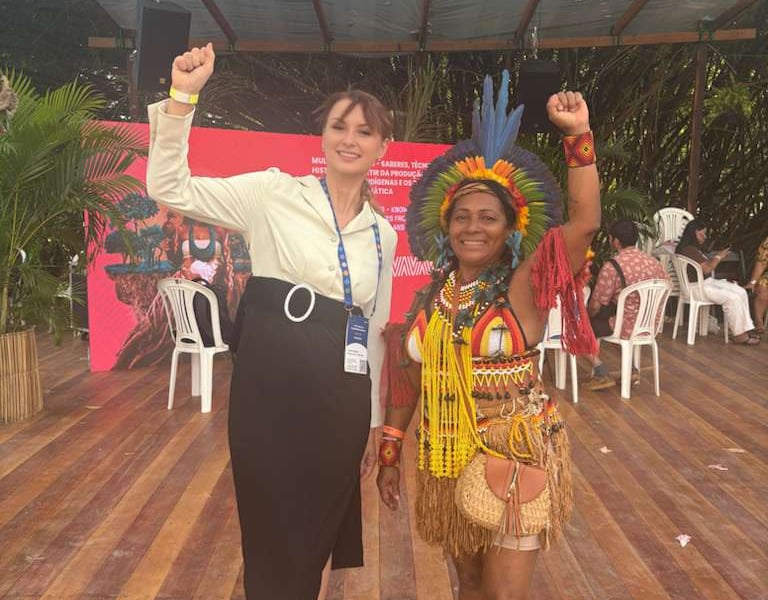
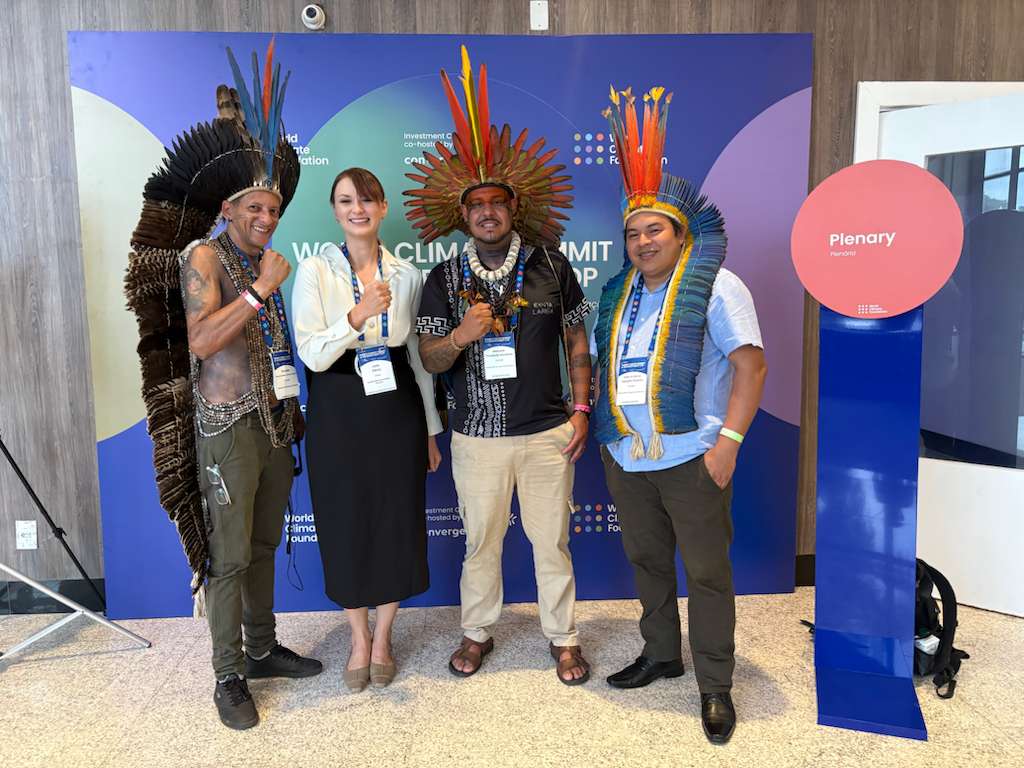
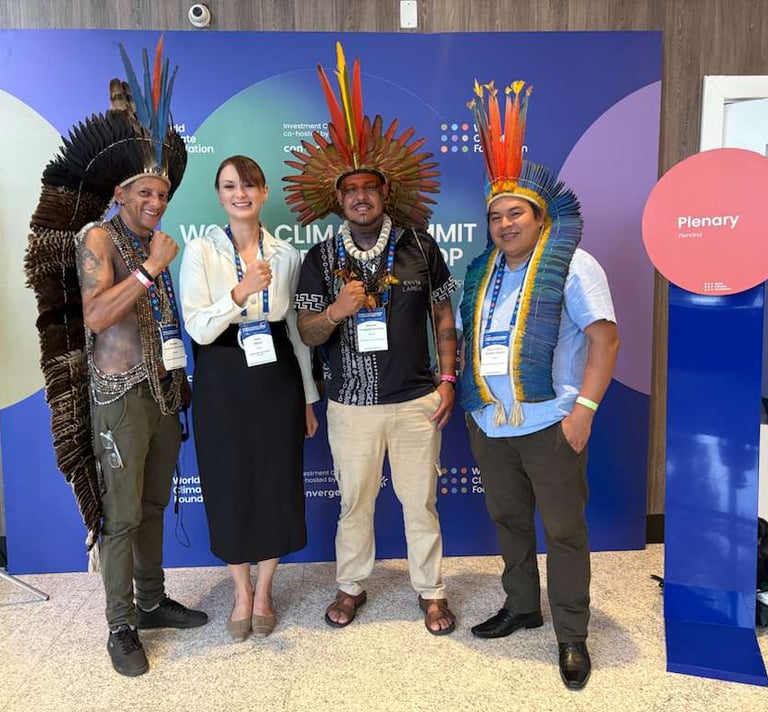
AMERICAN INTERNATIONAL LEADER AT COP 30, JULIA DAVIY.